

Your Cart
Your Cart is currently empty.
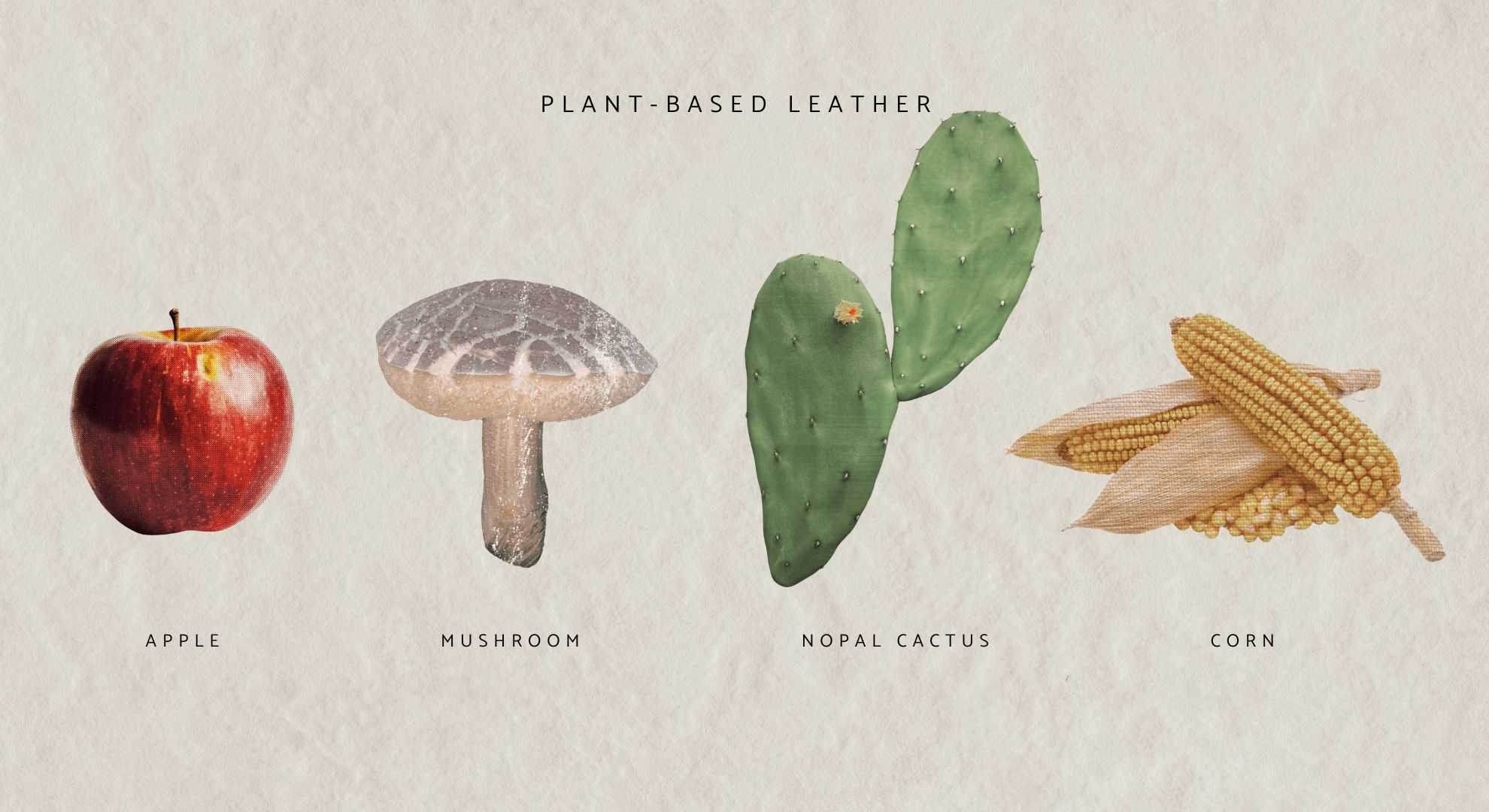
In our pursuit of a “Mindful Aesthetic,” finding a material that can carry half a century of leather craftsmanship while remaining gentle to the Earth was SOULMATTE’s most crucial mission from the very beginning.
“Vegan Leather” has become a buzzword in the fashion industry, but does plant-based automatically mean eco-friendly? In SOULMATTE’s philosophy, true sustainability is not determined by a single metric. It requires a perfect balance of durability, non-toxicity, carbon footprint, fossil fuel reliance, and aesthetic texture.
In this article, we use objective material science to break down the differences between apple, corn, mushroom, and cactus leather, and share the real reasons why we firmly chose to partner with the Mexican pioneer Desserto® for their patented cactus leather.
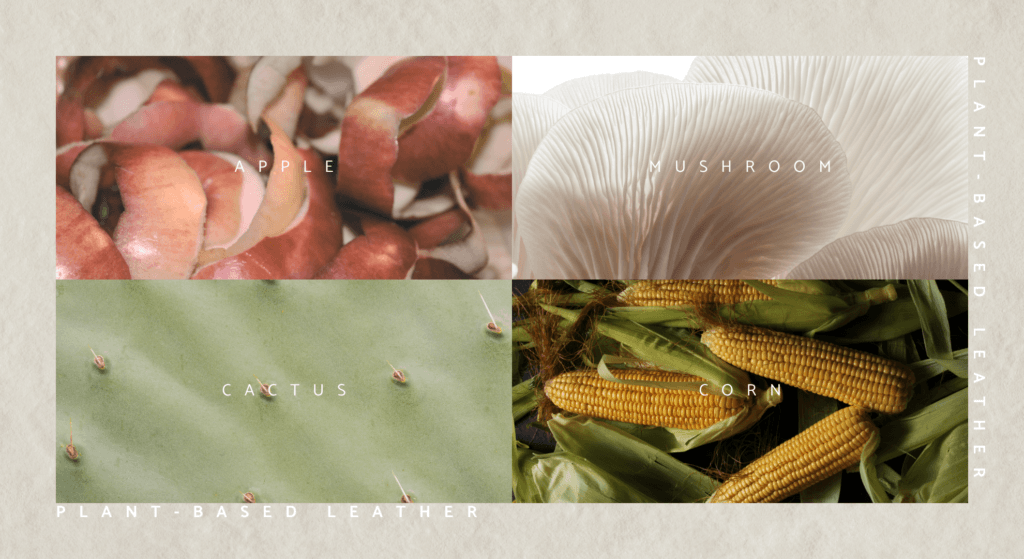
Many assume plant-based leathers are 100% plants. In fact, to ensure durability and water resistance, most require a synthetic coating during the manufacturing process. The key questions are: Are these coatings dependent on fossil fuels? And how many resources are consumed during the plant’s cultivation?
The environmental loophole in many vegan leathers is their use of traditional fossil-based PU, which relies on petroleum and often requires toxic chemical solvents (like DMF) during production.
Desserto®’s patented technology represents a “Dual Sustainable Upgrade” to traditional PU:
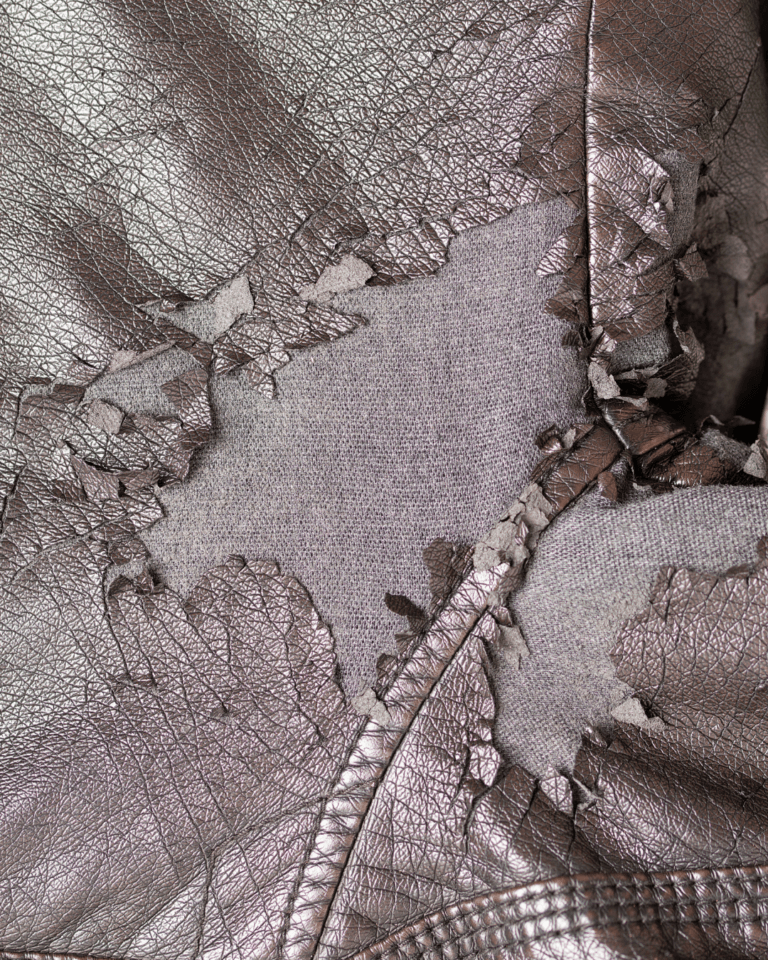
Many consumers have experienced the disappointment of buying plant-based bags (like common corn leather or early synthetics) only to have the surface turn brittle and peel within a year in humid climate. In material science, this is known as “Hydrolysis” or “Delamination.”
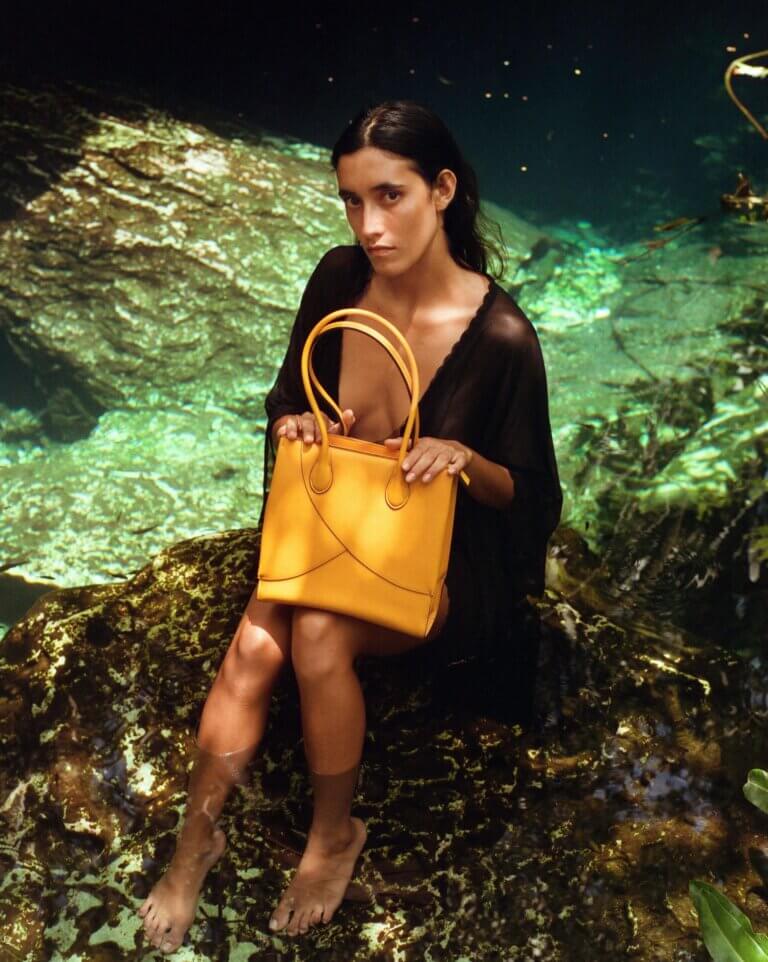
To conquer this fate, the Desserto® cactus leather chosen by SOULMATTE doesn’t just use a non-toxic formula; it features a bio-based, water-based PU with a unique organic molecular structure engineered for exceptional durability and high resistance to humidity and hydrolysis (Source: Desserto® Official Material Performance Data). It largely overcomes the fatal flaw of traditional plant leathers, adapting beautifully to various climates and daily friction with an expected lifespan of about 10 years.
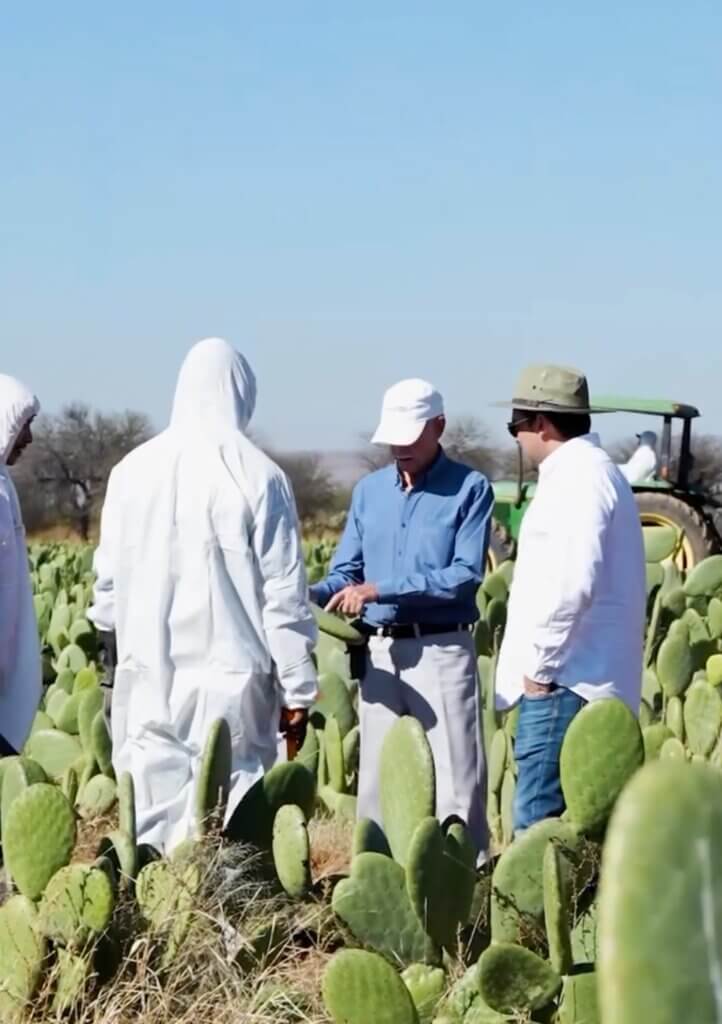
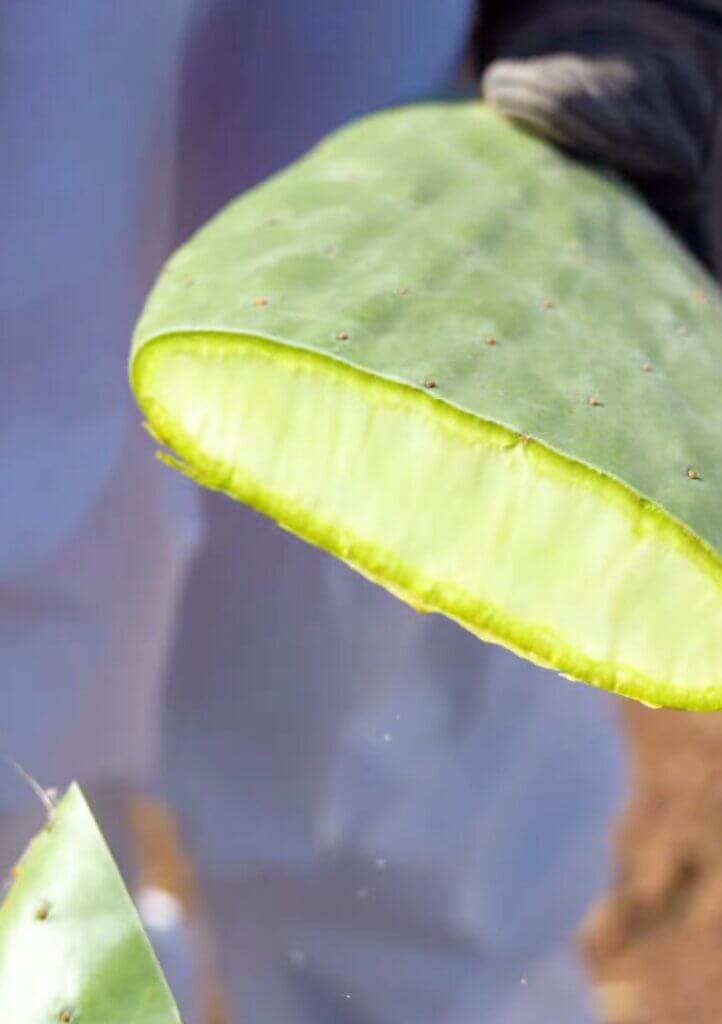
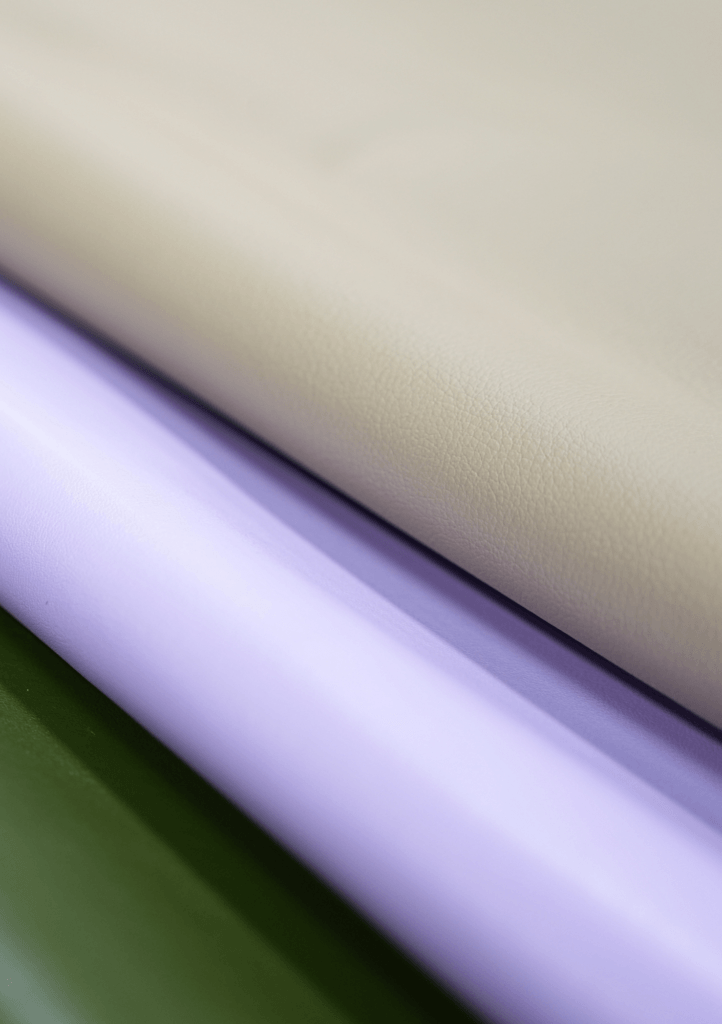
There are alternative materials on the market claiming to be “cactus leather” whose environmental and non-toxic standards are highly questionable. SOULMATTE chose Desserto® because every claim they make is backed by rigorous data from independent, third-party laboratories:
Because of these unparalleled credentials, top global brands like H&M, Karl Lagerfeld, Mercedes-Benz, and Adidas have partnered with Desserto®. This trusted reputation allows SOULMATTE to confidently deliver the finest material to our customers.
We firmly believe that sustainability shouldn’t be the pursuit of just one metric. Traditional leather is durable but carries a massive environmental burden through livestock and chemical tanning; meanwhile, some vegan materials claim to be eco-friendly but quickly turn into waste due to poor durability.
Desserto® cactus leather offers a “Golden Balance”: the tactile warmth of genuine leather, the durability to withstand extreme climates, and the eco-friendliness of a non-toxic, bio-based process. This resilient, elegant material perfectly complements the 50 years of leathercraft legacy passed down from our father. Though he has now retired, his unyielding dedication to texture and technique has been fully imparted to his apprentices. Today, in the very workshop that carries his legacy, they transform cactus leather into our SOULMATTE pieces – companions built for the long years ahead.
We admit, this choice comes with challenges. The procurement cost of authentic cactus leather is far higher than ordinary plant alternatives. Furthermore, because it retains a high level of organic plant content, there will be a subtle, natural plant scent when you first open the packaging. To honor authenticity while caring for our customers’ sensory experience, we use safe, non-toxic odor absorbers rather than harsh chemical fragrances to mask the material’s true nature.
For SOULMATTE, in balancing the considerations of environmental impact, texture, and craftsmanship, embracing these challenges is an inevitable part of the journey.
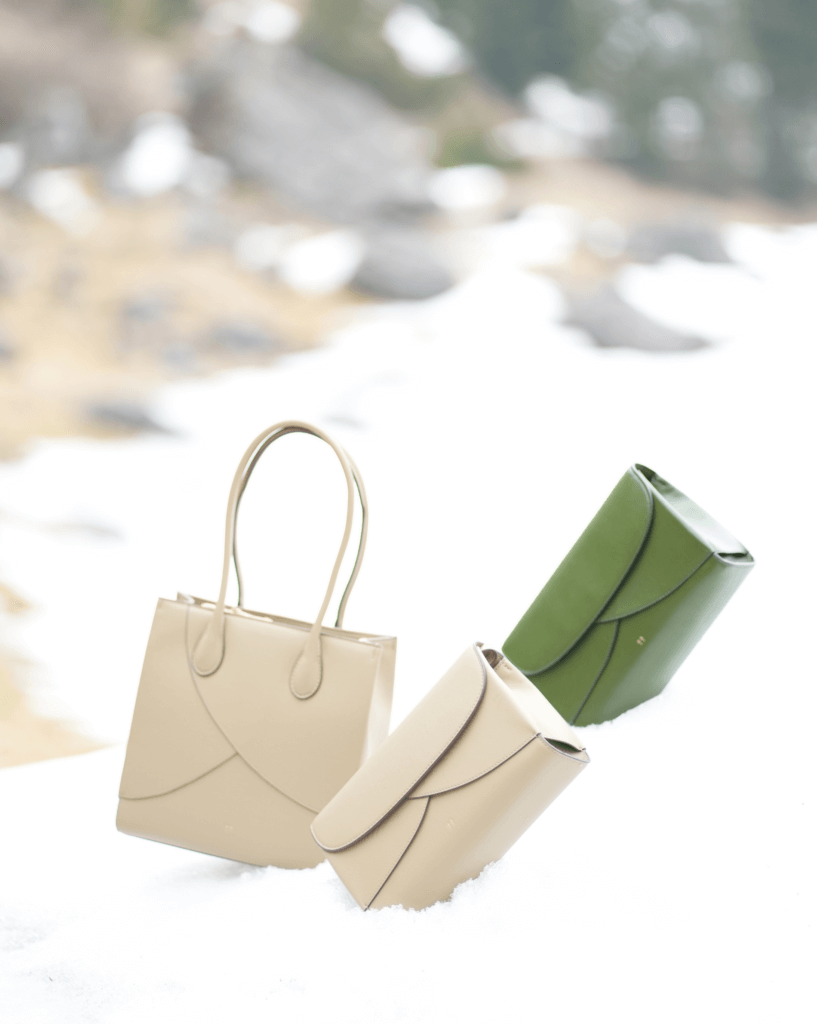

Our original intention remains unchanged: we are not just making handbags; we are dedicated to providing a sustainable choice that is gentle, kind, and beautiful inside and out, for both you and the Earth.
Q1: Are vegan leather handbags prone to peeling in humid climates like Hong Kong?
Many early plant-based leathers or common corn leathers use easily degradable synthetic coatings that are highly susceptible to “hydrolysis” (peeling) in humid environments. The Desserto® cactus leather used by SOULMATTE features a bio-based, water-based PU engineered specifically with high hydrolysis and humidity resistance, largely overcoming this peeling fate with an expected lifespan of about 10 years.
Q2: Why is high-quality cactus leather more expensive than other plant-based leathers?
True sustainability requires significant technological investment. From zero-irrigation organic farming to the extraction of the patented, non-toxic bio-based and water-based PU (Bio-Polymer), Desserto®’s production costs are much higher than cheap plant leathers relying on fossil plastics. We embrace this higher cost to ensure the handbag you receive is not only eco-friendly but built to last.
Q3: Does cactus leather have a specific smell?
It has a subtle, natural plant scent. When the handbag has been sealed in packaging for a long time, the scent might be more noticeable upon first opening. However, this smell will naturally fade with ventilation and daily use. It is a unique hallmark of natural, organic materials.
Q4: Is cactus leather waterproof? Does it need special care?
Cactus leather is highly water-resistant, making daily use worry-free. If it gets dirty, simply wipe it gently with a slightly damp, soft cloth. There is no need for traditional animal leather conditioning oils, making it the perfect “Quiet Luxury” accessory for a busy modern lifestyle.
References
Desserto® Official Environmental Impact: Life Cycle Assessment (e-LCA) Data
Desserto® Official Material Performance: Durability & Hydrolysis Resistance Data
Material Innovation Initiative (MII): State of the Industry Report: Next-Gen Materials 2023 (PDF)
ResearchGate: Comparison of the Technical Performance of Leather, Artificial Leather, and Trendy Alternatives
Vesti La Natura: Vegan Leather (or Vegetable Leather) In-Depth Guide
"Nature is my muse, design is my playground." - Ellis, founder and designer of SOULMATTE, inviting you to explore a world of mindful aesthetics.
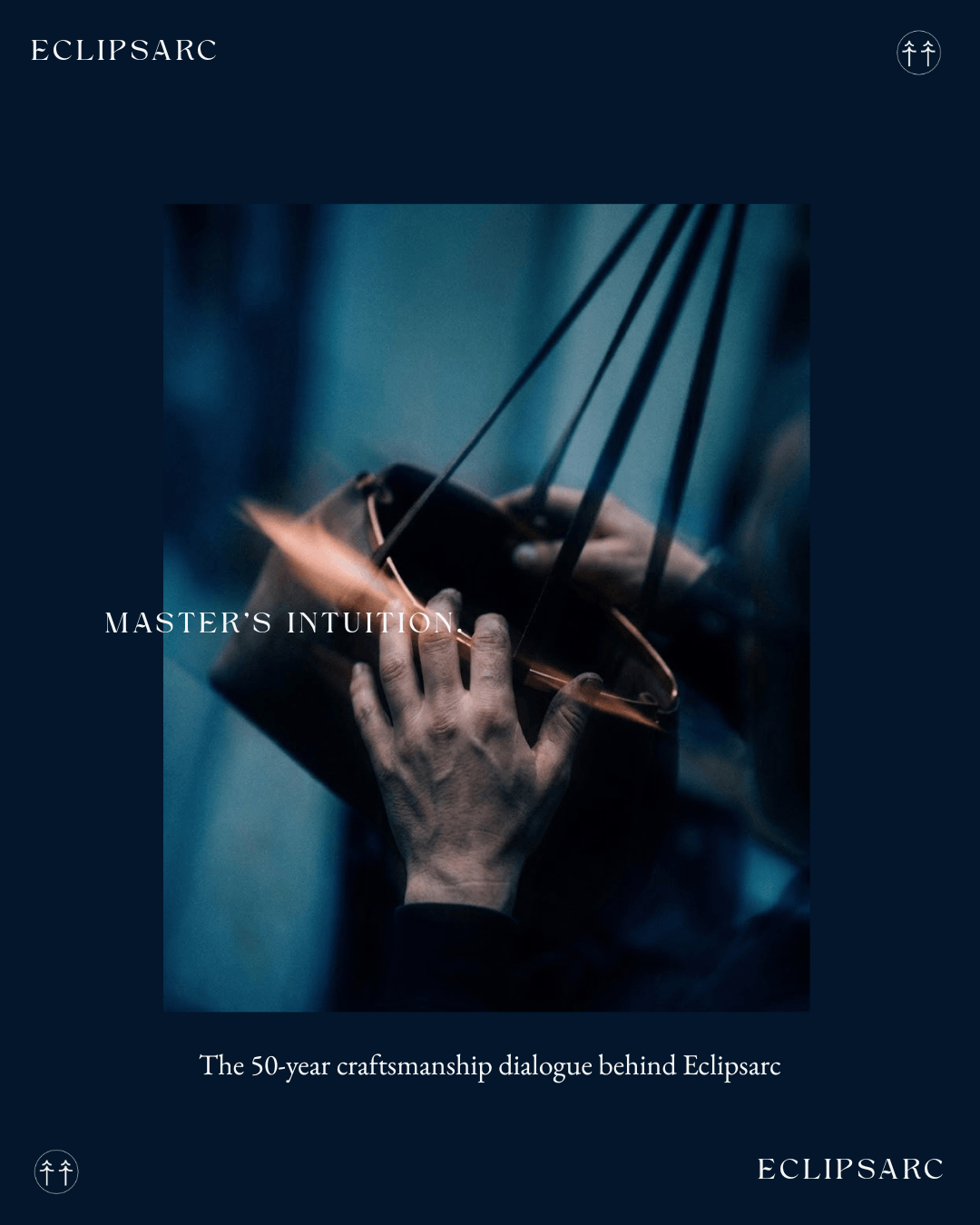
Eclipsarc, our 2026 inaugural release, marks SOULMATTE's venture into soft-structured vegan bags. Gu

「至暗時刻,從非永恆。」沉澱兩年,創辦人寫下一封真摯的信,分享 SOULMA


